
Wishbone Ash (1969-1974)
FlyGuitars You talked about the writing around the Wishbone Ash songs, how did you approach it, did you come up with the vocal melodies first or were you writing music first?
Martin Turner I tend to go in to an almost trance like state I suppose you would call it and I haven't got a bloody clue what I'm writing more times than not. It's certainly not a cerebral exercise although on an occasion I'll take the basis of an idea that's come to me. It's like hooking in to your sub conscious and then I'll re jig it, re write it add more, rearrange, put more lyrics in to it whatever which is a more deliberate calculated thing but the best songs for me have always been the ones that have come in a really pure flow from the sub conscious or whatever/wherever it comes from, God, Buddha, another planet you know it's almost like automatic writing, it's almost like that for me anyway but it varies. There are other tunes where say Steve (Upton, drummer) used to write a lyric and he would give it to me to sing and put music to and I wouldn't be able to make it scan so I end up kind of rewriting his lyric.
FlyGuitars So then after you'd got that initial idea you'd then take it away and build it in to the songs that we hear on the Wishbone Ash stuff?
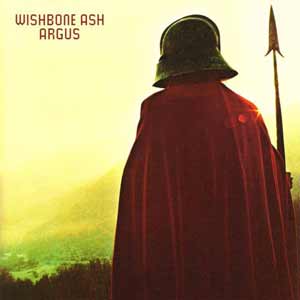
Martin Turner More often than not. Most of the Argus material I had put together, written the song on acoustic guitar and then say Andy or Ted would add bits to it. Sometimes they'd change stuff and I'd be like ?no wait a minute, lets not change stuff for the sake of changing it? but you know like say the beginning figure on Throw Down The Sword or the opening guitar on The King Will Come you know the sort of contributions that Andy would put in to the stuff and in becomes a continuous flow but it's bits done by different people kind of morphed together to make one piece of music.
FlyGuitars So would the twin lead and other guitar parts, would they be worked out before or would you jam out bits?
Martin Turner Mainly the process, particularly in the early days was me singing a melody and then one of them would painstakingly work out the notation by ear, there was no bloody crotchets involved, bars and staves and all that stuff. They'd work it out and I would sing the harmony and the other guitar player Ted or Andy would work out the harmony. Now that's a bit of a painful process but once we got that down as like a trade mark sound we could put that together fairly quickly
FlyGuitars So you would know what ingredients to throw in.
Martin Turner Yeah. What I would sing wouldn't be exactly the way that they would play it, they would put all the bends in and the flicks and if you sang the melody it would sound not as good as the eventual thing that was played on the guitar with all the bends and twists and all the rest of it. It worked as a kind of a Wishbone Ash trademark I suppose. As the seventies went on more and more I think they got so used to the way that I would just chuck out what would be really a psuedo classical melody I would call it. They started to do their own stuff as well but it never quite had that what I call slightly classical edge to it, it tended to be more straight rock 'n' roll, straight thirds, fifths whatever because some of that stuff I used to do was fairly odd and quite difficult to play.
FlyGuitars If you listen to the early albums through to the late stuff you can hear the progression and difference.
Martin Turner Some of it to be honest, some of the riffs I used to refer to them as Noddy riffs. Particularly on the first album, is it Queen Of Torture and it's like something out of Noddy and Big Ears really. Or it always reminded me of like the Lone Ranger and Tonto jogging along on horseback firing at the Indians or whatever. It had an almost caricature quality about it that people recognise it, it becomes very identifiable and part of the style of the band.
FlyGuitars Although everyone obviously identifies with Argus, I like those early albums there's some interesting stuff on there
Martin Turner Yeah they have a certain something (sings riff to Lady Whiskey) it's very simple, there's not a whole lot of notes involved.
FlyGuitars No but it's very effective. Can you remember what bass you were using on those first albums? Argus was a Rickenbacker was it?
Martin Turner On the first album I was using a Jazz bass, which I was not happy with at all to be honest. I really don't like the sound of it. If I was playing that now it would sound totally different and in fact that makes it quite difficult to do because I wouldn't be able to get near that sound because it was very much a jazz bass and it was at the stage where I was experimenting to try and find an instrument for me. Prior to that I had a home made £5 guitar with a Framus pickup on it which I was happy with but all the producers and engineers and everyone would say get rid of that piece of rubbish. I just offered it back to the guy who sold it to me a couple of years ago. I rang him up and said ?I'm just about to take this thing down the tip, do you want it back?? and he said ?oh yeah, yeah don't do that, I'll have it?. The second album I think I was messing about with a Fender six string, I was trying different instruments. I think I started getting in to Precision bass on the second album, I wish I still had it. I've got a couple of Precision basses one of which I call old faithful. It's a 60s instrument, 63 or 64, it'll always give me a good sound maybe a bit 'vin ordinaire' but I can rely on it, it'll always give me a decent sound but I like to experiment to get something a little more exotic first.
FlyGuitars Do you have a favourite album from this period?
Martin Turner I tend not to have favourite albums of Wishbone Ash, I mean I do do it on occasion where I'll review the music but really my job is to make the bloody stuff not be reviewing you know. Let me be honest there is absolutely no denying that I put my heart and soul in to the Argus album. For me it was like a year long schlep, it was like giving birth. I mean I really put a lot in to that album writing a lot of those songs. I think at the end of that album when I finally heard it playing back in the control room it was such a massive relief and I was so knocked out at how it sounded. I didn't know at that stage it was going to be received popularly or whatever the right word is, I had no idea of how people would perceive it
FlyGuitars And how significant it is today
Martin Turner but for me it sounded like I wanted it to sound and it sounded magnificent and it actually made me cry you know I couldn't stop myself. It was such a massive relief I just was overcome you know at the end. I enjoyed it sure I did, there are things on there that I love, the way the things fitted together. There's always been an issue really about who did what, who wrote what. I mean the band was working at it's peak in that era ?72/?73
FlyGuitars Yeah because it's not listed strictly who did the vocals and writing?
Martin Turner No we had an arrangement where by everyone was credited as writing the material. On the Argus album I wasn't very happy with that, I asked for it to be changed. I wanted the credit for writing the songs but they wouldn't go with it and we did have a bit of a tiff, it was just handbags really as the football pundits say but they condescended to give me credit for lyric writing. Blowin? Free was written before bloody Wishbone Ash existed in the 60s but it's like when everyone is putting in ideas, when everyone is involved and they are putting in their creativity as well then it's hard to say actually I need credit for writing that song because it becomes part of everyone, and the band was in such great shape at the time. Steve Upton for instance did a massive amount of work for the band on a day to day level and had we cut him out of song writing it would have been grossly unfair really in certain respects so we did stay with that arrangement for a while even though I rocked the boat about it.
FlyGuitars So Argus as it stands, are you 100% happy with that or is there anything you think I'd like to go back and change?
Martin Turner As a creative person no, you're always in search of perfection. The Argus album went out with flat vocals on it, I mean I'm famous for singing vocals flat. At the time I really didn't give a shit, years later in retrospect when it became our most revered album I actually went back and remixed it at one point purely to get it in tune and the remix is done that way. Also the King Will Come is extremely slow and ponderous so I gave that a nudge, the tempo.
FlyGuitars We talked about your singing, which is a crucial part of the bands sound, how did you find singing and playing the bass? Playing the kind of bass you play, you've got a lot of lines.
Martin Turner Yeah, yeah I mean it is, it's very easy to learn half a dozen chords and you move your right hand up and down in a kind of automatic motion in order to play rhythm guitar á la John Lennon, and you're singing it's fairly straight forward. To actually play a melodic bass line, and sing at the same time, I was always fairly good at it because I did a long apprenticeship in the 60s of playing covers in a semi pro band The Empty Vessels in the West Country but there are occasions on which it's actually pretty tricky to do. I can tell you how to do it, you have to learn one of the things really well like the bass line then you concentrate, you play the bass line kind of on automatic so that a part of your brain is playing it but you don't have to concentrate on it. Then you switch over to sorting the vocal out and it's just purely a question of that's the way it can be done. The minute you make a mistake on the bass you've got to switch back to that mentally and just blag it with the vocal or keep singing and then once you've got the bass back on track you switch over again. If you can do that very fast then it sounds fine. It's like saying, what was that famous Troggs line 'Split Your Hands?' It's like split your brain.
FlyGuitars I can relate cause I'm the singer and bass player in my band.
Martin Turner I guess you need the mentality, I mean women always go on about how good they are at multi tasking but a bloke with a beer in his hand it's like lets keep things simple. So do I really want to be playing bass and singing at the same time? No lets just place bass, and it's a lot easier to just play bass but I've done it for so long I could do it stood on my head really.
FlyGuitars Wishbone Ash like many bands that emerged in the late 60s were able to grow and evolve. You've got a catalogue of albums unlike today where bands that don't kind of cut it on the first album may be dropped from the label. Did you have total creative freedom when you were recording?
Martin Turner You're working with a producer, in our case that was Derek Lawrence who had done stuff with Deep Purple, in fact they were really instrumental in introducing us to Derek. He worked with us for the first three albums so that's a pretty solid crew right there, Martin Birch engineering as well that was a good set up. As far as our record company were concerned we signed with MCA as they were or Universal in Los Angeles so we were a British band tied to an American label. They were brilliantly well organised on a kind of global basis which suited us because we wanted to be able to go everywhere. They didn't have a lot of input creatively, you know you signed to other labels like Atlantic and they would certainly have a lot to say about. The music the creativity would get scrutinised but with our record company it wasn't like that at all it was more like they appreciated music and they were in to it but they didn't really get to interfere or too involved at all. If there was something they didn't care for or was offensive to them they would say so but we never had any of those problems it all went very smoothly with them really for a very long time.
FlyGuitars What about deadlines in terms of recording, did you feel pressure there in terms of we've got to get another album out?
Martin Turner In the early days when you're a young chap and your career is taking off and your life is mapped out for the next eighteen months and you're on this tour and then you're doing TV and then you're back in the studio for rehearsal, then you've got to go in and make your album in three or four weeks it's quite a bit of pressure. In fact Ted Turner one of the original guitar players, I think he found that pressure too much after a few years. We were all under a lot of pressure, we actually needed a months holiday but we couldn't because you've got these commitments mapped out months in advance and Ted had no option really to leave the band in order to get the relief that he needed and that we all needed really. He was just that much younger than us and a bit more in at the deep end. We'd all had a bit more experience of dealing with it.
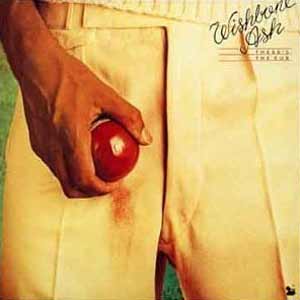
FlyGuitars Listening to the Wishbone Ash records, there's a healthy variance in them but there's a distinct change in feel from Wishbone Four to the first album that Laurie (Wisefield) played on which was There's The Rub. Also I noticed your bass sound started to vary as well on There's The Rub, where you using different basses on that record after you'd got in to the Thunderbird, were you experimenting again?
Martin Turner I actually mainly used a Fender Precision on There's The Rub. Bill Szymczyk who was producing it who I would probably rate as my all time favourite producer, he's recorded some of the greatest rock pop songs. Life's Been Good To Me (Joe Walsh), the stuff he did with the Eagles, I rate him I really do and it was fantastic to work with him. He actually wanted to work with an English guitar band, The Who were on his list, we were and we hooked up, we said yeah we'd love to. It was the first album we were going to be recording in the USA so we went off to do it. He was a little bit upset that Ted had left and Laurie had replaced him but we were like don't worry about it Bill it's the same Wishbone Ash, ish rather. So because it was the first album in America and because the reason he wanted to work with us, it's like industrial espionage really, he needed to find out how we went about getting these guitar things and it was very simple basically we spent a huge amount of time on recording the guitar lines, the trademark, the harmony guitars and the solos. We had a fantastic collection of amplifiers and guitars at that point and we put a lot of time in to it. He actually said if I can get the guitars from your band and the voices from the Eagles I could make the greatest hit record, and that's exactly what he did. We literally finished that album There's The Rub and he, The Eagles were already in town, they used to come out and eat with us and they started recording Hotel California in the same room the day after we finished. I can hear the tricks that he learnt from us about guitars, the solos in Hotel California for instance. I can hear the sound of the room it's uncanny.
FlyGuitars It must be quite surreal to listen to that album and you can probably relate to Hotel California quite specifically because of the recording.
Martin Turner Very much so. They come down, rent the same villa that we'd stayed in. I thought they did an absolutely fantastic job on that album, I don't relate to it as him ripping off our ideas at all quite the opposite it was stimulating. I learnt a lot of stuff from Bill Szymczyk and recording in America, tricks that I still use to this day and I think equally we showed them some of the experimentation, non orthodox ways of going about getting guitars it was a good trade really and to this day Hotel California is one of my favourite albums, I chuck it on now and again.
FlyGuitars Me too and I shall listen to it with a bit more interest now.
Martin Turner Yes it's fascinating you know the drums are in the exact same spot and they've got the big lumps of eight by four under them to reflect the sound, it just sounds the same to me. I did have a bit of an issue with Bill over the bass. They've got this thing Americans with orthodoxy, I'm constantly surprised at how conservative they are. It's like a bass is down low and that's where it should be and it does the same job and you plonk away and I was like no man that ain't me I don't do that shit I'm like in your face bam.
FlyGuitars I was going to say that's a direct contradiction really of how you play.
Martin Turner He kind of found that a bit weird. I wouldn't say we fell out over it we didn't, we used to kind of make each other laugh about it but it was a bit of a compromise. I look back when I listen to those tracks for instance, that bass is snarling! Although it was a compromise I like what we ended up with. He was reasonably happy and so was I. I think it's infinitely more interesting than another bass player plonking around in the lower audio spectrum, which to me was boring. I mean I'm not slagging that off if people are happy to play that way and in the context of their approach to music that is right and correct then I take my hat off to them. Unfortunately I must be some kind of freak who ain't prepared to settle for that you know.
Thanks to Martin Turner and Graham Fieldhouse for making this interview possible
Why not check out some of these other sites
wishboneash.co.uk
martinturnermusic.com
Rickenbacker bass guitars for sale

1973 Rickenbacker 4001 Bass Mapleglo w / original Toaster pickup FLAME MAPLE NECK!
Carbondale, Illinois, 629**, UNITED STATES OF AMERICA
$4790
Add Me to Your Favorite Sellers
Olivia's Vintage would like to present this 1973 Rickenbacker 4001 in its original Mapleglo finish. It has a great playing flame maple neck / center piece with great frets. It's all original and 100% complete with the exception of the hand rest. Another pickguard has been on the bass at one time as there are additional screw holes concealed underneath the pickguard. A later road case is included. This bass is in great condition with some minor nicks + ... view on ebay

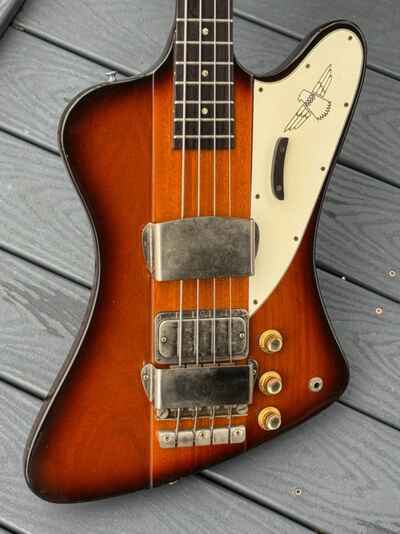
1964 Gibson Thunderbird IV Bass 1 of the best originals it's 1 of a kind & Minty
Fort Lauderdale, Florida, 333**, UNITED STATES OF AMERICA
$27495

1994 Orville by Gibson Thunderbird IV Reverse Body Bass Vintage, Japan Terada
Seattle, Washington, 981**, UNITED STATES OF AMERICA
$1600
As its name would suggest, ... view on ebay
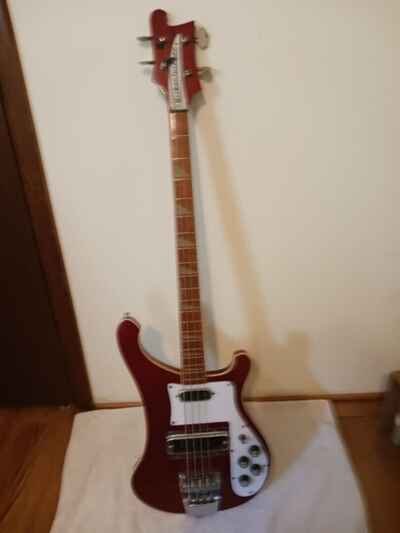
1972 4001 Rickenbacker Bass Guitar. Great Christmas gift!
Hayward, Wisconsin, 548**, UNITED STATES OF AMERICA
$7800

1971 Rickenbacker 4001 a checkerboard bound Burgundyglo 4001 had a few good gigs
Fort Lauderdale, Florida, 333**, UNITED STATES OF AMERICA
$8495
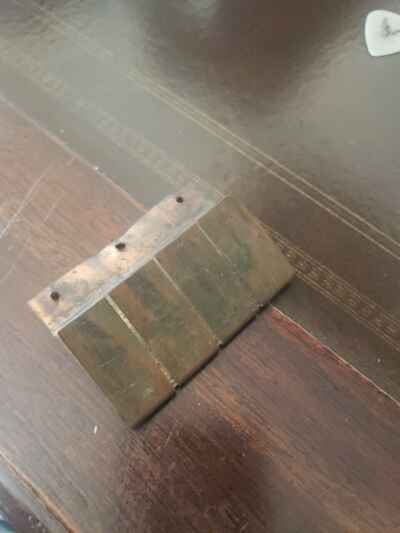
Bass guitar string mute From 1966 Gibson Thunderbird
Cumming, Georgia, 300**, UNITED STATES OF AMERICA
$400
Crafted with precision and care, this mute is made to last. It is made from high-quality materials and is built to withstand the wear and tear of regular use. Whether you are a seasoned musician or just starting out, this bass guitar ... view on ebay
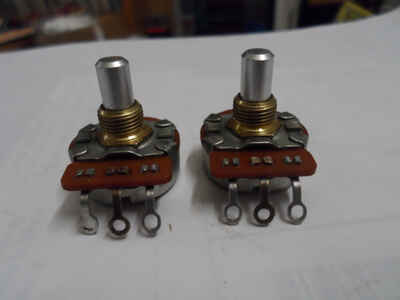
NOS 1976 Rickenbacker 4001 Bass Potentiometers Pots
Fort Wayne, Indiana, 468**, UNITED STATES OF AMERICA
$150
New old stock
See photos for exact condition
See my ebay store for more vintage music items
... view on ebay
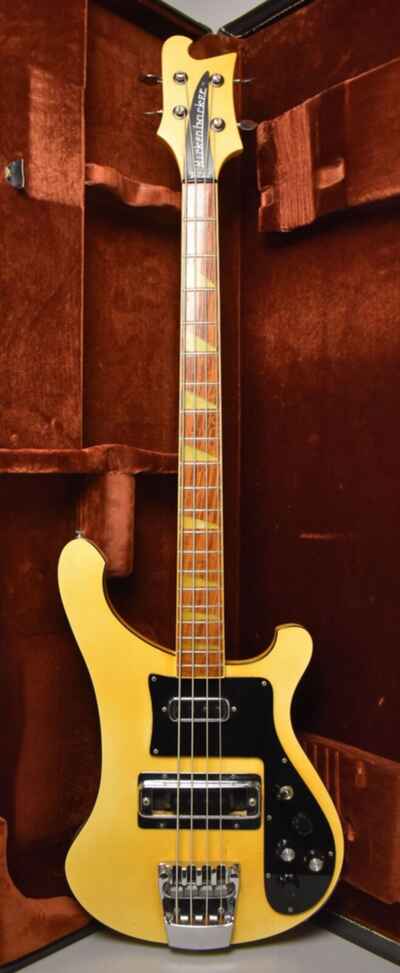
1980 Rickenbacker 4001 Bass White w / OHSC
San Diego, California, 921**, UNITED STATES OF AMERICA
$4495
This Bass Is Located At IVG Sherman Oaks
In Very Good Overall Condition (Please See Photos)
Finish Shows Heavy Fading And Checking With Some Cosmetic Playwear Including Various Small Dings, Marks, And Scratches Throughout
A-String Saddle Screw Replaced And Non-Adjustable, Slightly Sharp Intonation On That String Only
Small Fingerboard / Finish Crack As Shown
All Original Pickups And Electronics
Pots Date To Late 1979
... view on ebay

1975 Rickenbacker 4001 Vintage Neck Through Bass Mapleglo w / Toaster Top, Case
Seattle, Washington, 981**, UNITED STATES OF AMERICA
$4400
Featuring neck-through maple body construction, this Rickenbacker thumps and growls with the best and offers healthy sustain, weighing 9lbs 12oz. The pickups deliver plenty of midrange power and punch, with the original Hi-Gain ... view on ebay

Gibson USA Thunderbird Natural 1976 Bicentennial Vintage Electric Bass Restore
Orange, California, 928**, UNITED STATES OF AMERICA
$1100

Vintage 1977 Rickenbacker 4001 4-String Bass Guitar Mapleglo Finish w / OHSC
Front Royal, Virginia, 226**, UNITED STATES OF AMERICA
$4000
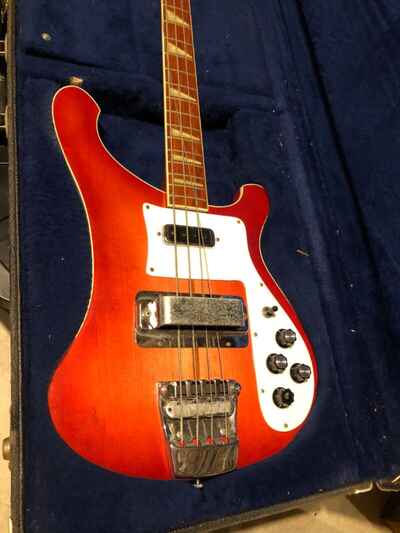
rickenbacker 1979 4001 bass fireglo
New Lenox, Illinois, 604**, UNITED STATES OF AMERICA
$4500

Gibson Gene Simmons G2 Thunderbird Bass Electric Guitar with Case
Newman, Illinois, 619**, UNITED STATES OF AMERICA
$2000
Gene Simmons is a legendary rock icon and the bassist from KISS, and his new Gibson Gene Simmons ... view on ebay

1965 Rickenbacker 4001 Vintage Neck Through Bass Fireglo w / Case
Seattle, Washington, 981**, UNITED STATES OF AMERICA
$12000
Weighing 9lbs 11oz and featuring neck through body construction, this 4001 is strung with roundwound 45-100 strings that accentuate the grind and top end articulation of the instrument. The horseshoe... view on ebay
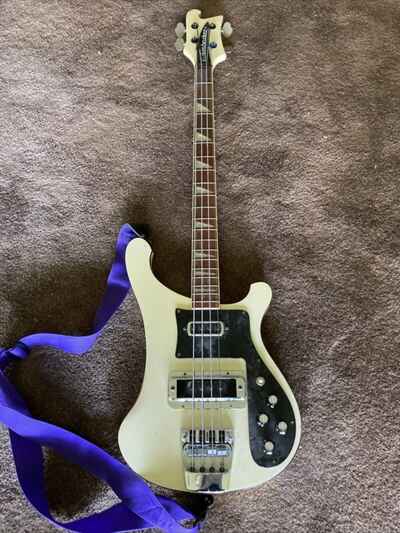
Rickenbacker - 4001 - 1978
Asbury, New Jersey, 088**, UNITED STATES OF AMERICA
$5000

1974 Rickenbacker 4001 Factory Fretless Bass Mapleglo 100% Original (217)
Dayton, Ohio, 454**, UNITED STATES OF AMERICA
$4600
For your consideration is this 1974 Rickenbacker 4001 in classic Mapleglo finish. This one is a rare factory fretless example and is an incredibly cool vintage bass with all the unmistakable style and tone that make old Rickenbackers so desirable
Overall, this bass is in very good condition for its age. It shows honest vintage wear, including a small area of buckle rash on the back, but it has been very well kept and ... view on ebay

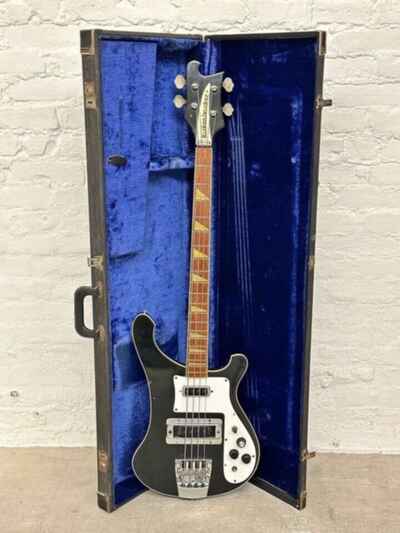
1978 Vintage Rickenbacker 4001 Bass Guitar ?? Jetglo Black ?? Includes Hard C
Harrisonville, Missouri, 647**, UNITED STATES OF AMERICA
$3295
Description
Vintage 1978 Rickenbacker 4001 Bass Guitar ?? Jetglo Black ?? Serial No. 2213 RD ?? Includes Hardshell Case
Few basses have achieved legendary status quite like the Rickenbacker 4001. Instantly recognizable for its unmistakable styling and piano-like tone, the 4001 has been the instrument of choice for iconic bassists including Chris Squire, Geddy Lee, Paul McCartney,... view on ebay

1979 Rickenbacker 4001 Vintage Neck Through Bass Mapleglo, 100% Original w / Case
Seattle, Washington, 981**, UNITED STATES OF AMERICA
$3800
The Hi-Gain pickups deliver plenty of midrange power and punch, with excellent top-end articulation and grind accentuated by the fresh set of 45-100 roundwound strings. This 4001 has been professionally... view on ebay

Rickenbacker 4001 1979 Natural White 4-String Solid Maple Bass RH w / Hard Case
Beverly Hills, Florida, 344**, UNITED STATES OF AMERICA
$2430
Original ... view on ebay